
Introduction
IGET ONE 12000 and IGET BAR PRO 10000 are two device models listed within the IGET product range. Their published specifications describe differences in rated puff count, battery capacity, heating element design, display features and physical dimensions.
Understanding these differences requires looking beyond the model names. A higher advertised puff count does not necessarily mean a proportionally longer operating life, and additional electronic features can affect a device's size, weight and power consumption.
This guide compares the published specifications of the two models and explains how to interpret the information accurately.
1. IGET ONE 12000 vs IGET BAR PRO 10000: Specifications Compared
The following table summarises specifications reported in publicly available product listings. Specifications may vary by market, production batch or product version, so the original packaging and manufacturer documentation should be checked.
| Specification | IGET ONE 12000 | IGET BAR PRO 10000 |
|---|---|---|
| Model name | ONE 12000 | BAR PRO 10000 |
| Advertised maximum puff count | Up to 12,000 in Regular mode; up to 9,000 in Turbo mode | Up to 10,000 |
| Published battery capacity | 2,700 mAh | 2,000 mAh |
| Heating element | 0.6 Ω dual mesh coil | 1.2 Ω mesh coil |
| Display | Curved colour screen | LED indicator |
| Operating modes | Regular and Turbo | Single mode |
| Charging connection | USB-C | USB-C |
| Published dimensions | 46 × 25.5 × 107.7 mm | 44.1 × 22.5 × 96.5 mm |
| Published weight | Approximately 118.9 g | Approximately 93 g |
Sources: publicly available IGET product listings and comparison information. These specifications have not been independently verified for every version of either model.
2. What Is the Difference Between Their Puff Counts?
The IGET ONE 12000 is listed with a maximum rating of 12,000 puffs in Regular mode and 9,000 in Turbo mode. The IGET BAR PRO 10000 is listed with a maximum rating of 10,000 puffs.
These figures are manufacturer or product-listing estimates rather than guaranteed results.
Actual puff counts can differ because of draw duration, operating conditions, battery performance and the amount of liquid consumed per activation.
The two operating modes of the ONE also mean its advertised maximum depends on the mode being used. Consequently, its 12,000-puff figure should not be treated as a universal result under every operating condition.
When comparing puff-count specifications, it is important to check the testing conditions and the exact version of each device.
3. Battery Capacity and Charging Specifications
Battery capacity is another published difference between these models.
The IGET ONE 12000 is listed with a 2,700 mAh battery, while the IGET BAR PRO 10000 is listed with a 2,000 mAh battery. Both listings describe USB-C charging.
Milliamp-hours, abbreviated as mAh, indicate a battery's rated electrical charge capacity. However, mAh alone does not determine how long a complete device will operate.
Actual operating time also depends on power demand, circuit efficiency, heating-element characteristics, battery condition and operating settings.
A larger battery therefore does not automatically guarantee a longer operating life in every use scenario.
Battery products should only be handled and charged in accordance with the manufacturer's safety instructions. A device with a swollen, leaking or damaged battery should not be charged or dismantled.
4. Mesh Coil vs Dual Mesh Coil
The published specifications identify different heating-element configurations.
The IGET BAR PRO 10000 is listed with a 1.2 Ω mesh coil, while the IGET ONE 12000 is listed with a 0.6 Ω dual mesh coil.
A mesh coil uses a mesh-shaped heating element rather than a conventional round wire coil. Its physical structure influences the distribution of heat across the heating surface.
A dual mesh configuration uses two mesh heating elements or a dual-mesh arrangement, depending on the specific product design. The actual electrical configuration and control method should be confirmed through manufacturer documentation.
Resistance is measured in ohms (Ω). A lower resistance value alone does not establish overall product quality, efficiency, safety or expected service life. The device's complete electrical design must also be considered.
5. Display Features: Colour Screen vs LED Indicator
One of the most visible differences is the display system.
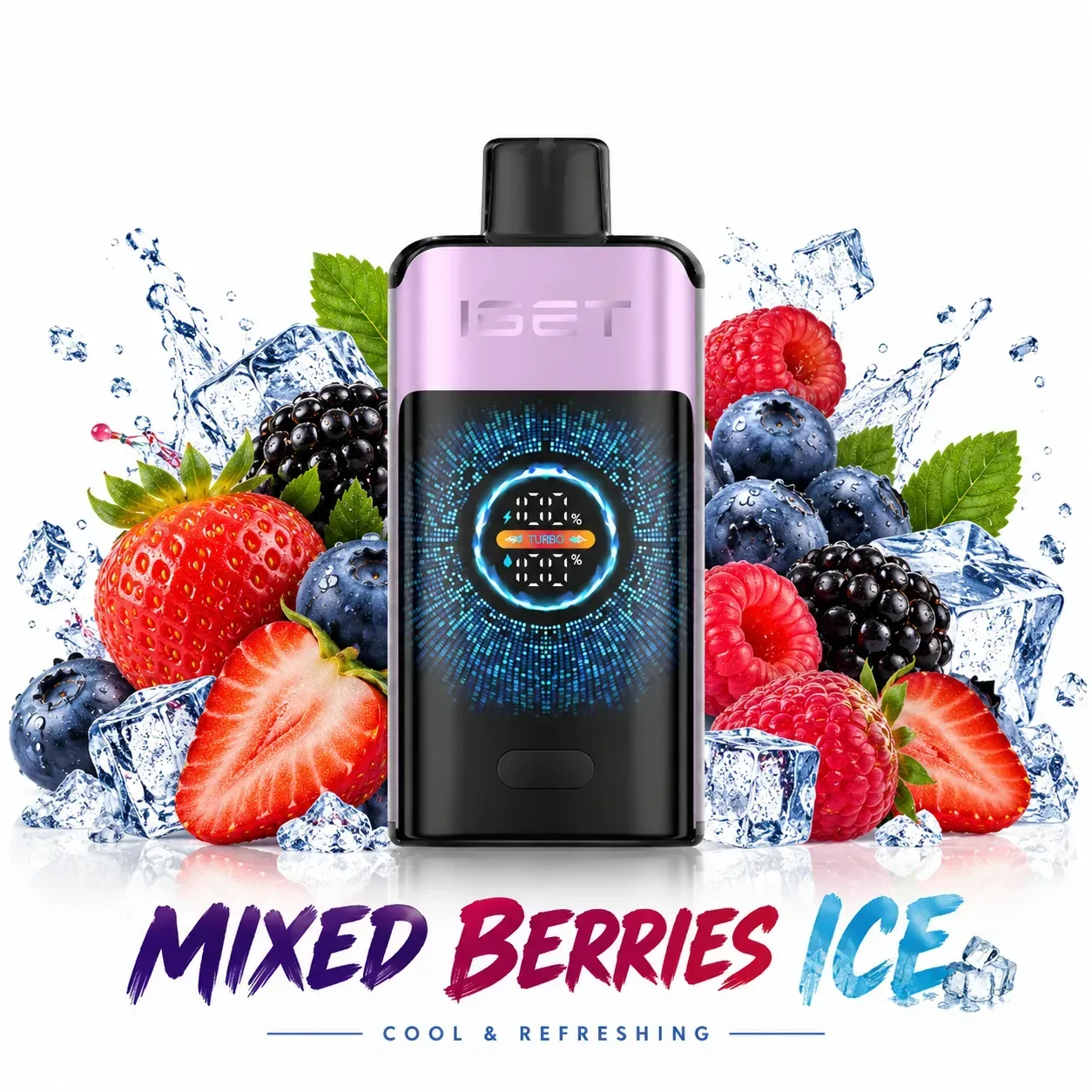
IGET ONE 12000
Public product listings describe a curved colour screen. Depending on the specific version, the display may provide information such as battery status, liquid-level indicators and the selected operating mode.
The exact meaning of each symbol should be confirmed using the documentation supplied with the device.
IGET BAR PRO 10000
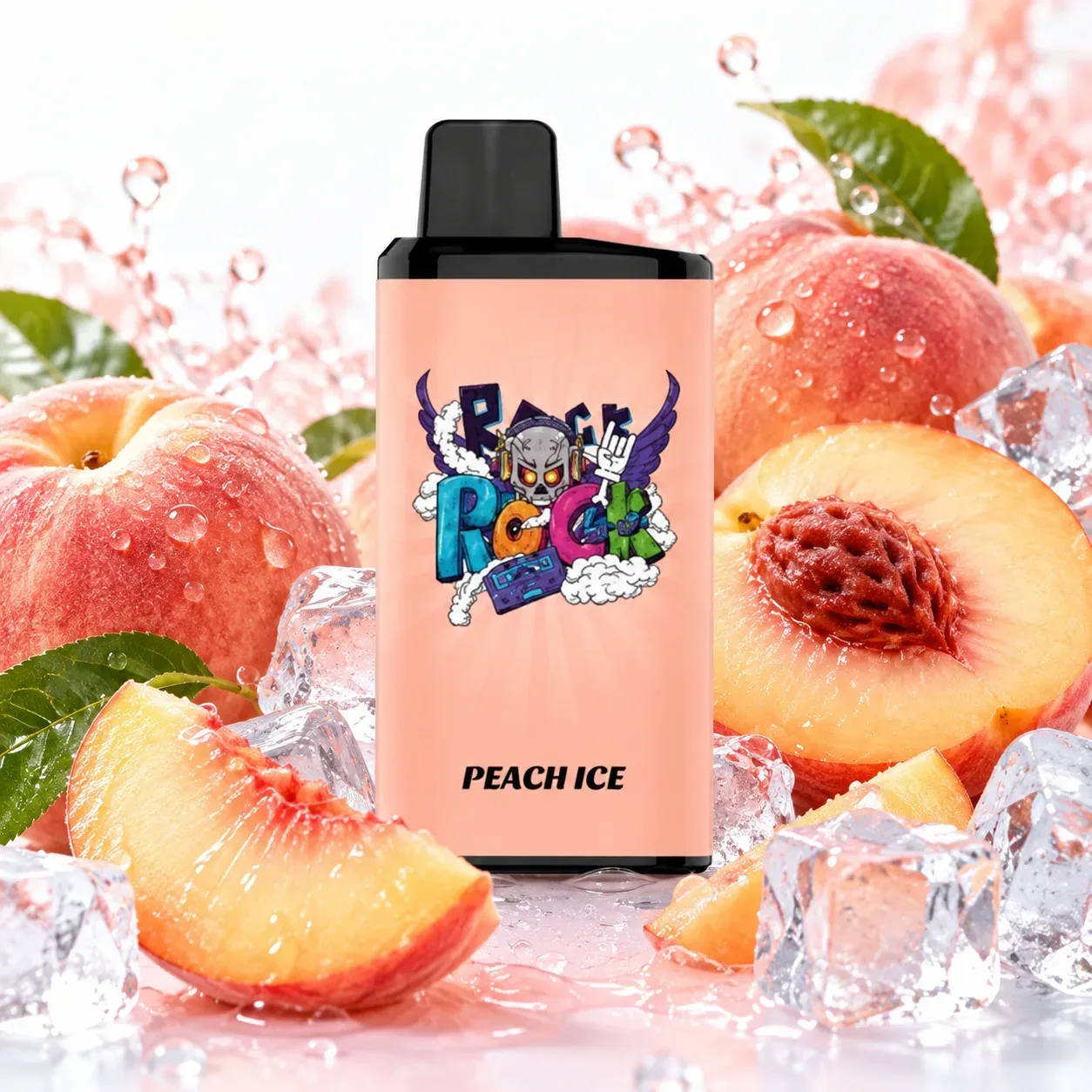
The BAR PRO is listed with an LED indicator rather than a large colour display. Indicator lights generally communicate device status through illumination patterns or colours, although their meanings depend on the manufacturer's design.
Users should refer to the applicable instruction manual instead of assuming that an indicator pattern has the same meaning across different IGET models.
6. Physical Dimensions and Weight
The published dimensions also distinguish the two models.
The IGET ONE 12000 is listed at approximately 107.7 mm in height and 118.9 g in weight. The IGET BAR PRO 10000 is listed at approximately 96.5 mm in height and 93 g in weight.
These measurements suggest that the listed ONE version is larger and heavier than the listed BAR PRO version.
Physical specifications can be useful when identifying a product or checking whether a listing matches the packaging. However, dimensions and weight alone cannot establish whether a device is genuine.
For product identification, compare several details together, including the model name, packaging information, batch markings, manufacturer's verification process and relevant documentation.
7. How to Verify the Specifications of an IGET Device
Online listings do not always describe every market version consistently. Before relying on a specification, consider the following checks:
Check the exact model name. Confirm whether the product is labelled IGET ONE 12000 or IGET BAR PRO 10000.
Review the original packaging. Compare the printed specifications with the information in the product listing.
Check the manufacturer’s documentation. Look for the applicable product version and instructions.
Verify the battery and charging details. Do not assume that two devices with similar appearances have identical electrical specifications.
Treat unusually high claims with caution. Advertised puff counts and performance statements may use different testing conditions.
Use the manufacturer's verification channel where available. A copied QR code or similar-looking package is not sufficient by itself to prove authenticity.
These checks help readers distinguish published claims from specifications that have been independently confirmed.
8. Frequently Asked Questions
What is the advertised puff count of the IGET ONE 12000?
Published listings state up to 12,000 puffs in Regular mode and up to 9,000 in Turbo mode. Actual results may differ from these estimates.
What is the advertised puff count of the IGET BAR PRO 10000?
Published listings state up to 10,000 puffs. This is a rated maximum, not a guarantee of actual use.
Do both models have USB-C charging?
Public product listings describe USB-C charging for both models. Check the specific device and its instructions to confirm compatibility.
What is the main display difference?
The ONE is listed with a curved colour screen, while the BAR PRO is listed with an LED indicator. Exact display functions depend on the product version.
Does a higher mAh rating guarantee longer battery life?
No. Battery capacity is only one factor. Electrical efficiency, power consumption, heating-element characteristics and operating conditions also affect operating time.
Are the listed specifications guaranteed to apply to every version?
No. Specifications can vary by market or product version, and third-party listings may contain errors. Manufacturer documentation and the original packaging are the appropriate references for the specific device.
Conclusion
The published specifications show several differences between the IGET ONE 12000 and IGET BAR PRO 10000, including rated puff count, battery capacity, coil configuration, display system, dimensions and weight.
The ONE is listed with a higher maximum puff rating in Regular mode and a colour display with two operating modes. The BAR PRO is listed with a smaller body, lower weight and a simpler LED indicator.
These are specification differences rather than proof that one model is universally superior. Product documentation, test conditions and the exact device version remain important when interpreting technical claims.